

Why Slow Hiring Is Becoming a Costly Problem for Accounting Firms
Slow hiring is becoming one of the most expensive problems an accounting firm can have. When a role stays open, the work doesn’t wait. It moves to senior accountants, managers, and partners who already have full calendars, often right before a filing deadline or audit cycle. The cost rarely shows up as a line item, but it appears in overtime, delayed engagements, and work the firm can’t accept.
This article looks at what an unfilled seat does to your firm, and how interview-ready accounting talent helps you add capacity without starting every search from zero.
Key Takeaways
- An open role doesn’t pause the work. It shifts that work onto people who are already at capacity
- Vacancies pull managers and partners into execution, reducing team leverage and leaving less time for advisory work and business development
- Capacity gaps limit how much client work a firm can accept, especially around tax deadlines and audit cycles
- Reactive hiring means recruiting at the exact moment the firm most needs capacity
- Interview-ready talent lets firms start at the shortlist instead of an empty pipeline
What an Unfilled Seat Actually Does to Your Accounting Firm
Most firms track time-to-fill as an HR metric. For a managing partner, the more useful question is what happens inside the firm while that seat sits empty. Here are five consequences that tend to build on each other.
1. Existing Staff Absorb the Work
The returns still need to be prepared, and the reconciliations still need to be finished. In practice, that work goes to the people already on the team, usually the most reliable ones. For a few weeks, this can look manageable.
Over a longer stretch, it becomes a retention problem. Staff who carry an extra workload through one deadline are more likely to start looking elsewhere before the next one. A single open seat can then turn into two.
What Is Turnover Costing Your Firm?
Every senior associate who leaves takes months of client knowledge with them. Enter your headcount, salaries, and turnover rate to see recruitment costs, lost billable capacity, and partner coverage in one view.

2. Managers and Senior Accountants Get Pulled Into Execution
A healthy firm depends on leverage. Junior and mid-level staff handle preparation, while managers and senior accountants review, coach, and manage client relationships.
When a preparer or staff accountant role is vacant, that structure flattens. Managers end up doing first-pass work themselves, review slows down, and less experienced team members get less guidance at the point they need it most.
3. Partner Time Goes to Work That Shouldn’t Need a Partner
The pressure eventually reaches the top. Partners start chasing client documents, reworking files, and stepping into reviews that would normally sit with a manager.
Every hour spent there is an hour taken from client conversations, advisory engagements, and business development. These are the activities that grow a firm, and they are usually the first to be pushed aside when capacity is tight.
4. Capacity Caps the Work Your Firm Can Accept
This is where slow hiring stops being an HR inconvenience and becomes a revenue problem. In a CPA Trendlines survey, 42% of responding firms said they were turning away work because they lacked staff.
Larger firms are also trimming their client lists. According to the 2023 Rosenberg Survey, as reported by The CPA Journal, 51% of firms above $10 million in revenue were actively culling clients amid staff shortages. When demand is there but people aren’t, growth stalls at the capacity line.
Is Your Firm’s Capacity Keeping Up With Demand?
Answer seven questions in three minutes to see how your firm compares with American Institute of Certified Public Accountants (AICPA) and Rosenberg benchmarks, with a dollar figure on your capacity gap.

5. Reactive Hiring Makes Every Busy Season Harder
Most firms know exactly when their peaks will arrive. Even so, many begin recruiting only when the workload is already climbing, which means competing for the same experienced candidates as every other firm at the same time.
That competition isn’t easing. The U.S. Bureau of Labor Statistics projects about 124,200 openings for accountants and auditors each year over the coming decade. Firms that hire reactively go into each busy period understaffed and start the next one in the same position.
What If Every Hiring Need Didn’t Start With an Empty Pipeline?
The usual response to slow hiring is to post the role sooner or add another recruiter. Both can help, but neither changes the slowest part of the process, which is sourcing and screening before the first interview happens.
Emapta takes a different approach. Through the Emapta Talent Marketplace (ETM), we maintain a pool of Finance and Accounting professionals who have already completed that groundwork. This pool includes people with U.S. accounting and tax experience.
What “Interview-Ready” Means
Every interview-ready candidate has already gone through Emapta’s full recruitment process, including:
- Sourcing and initial screening – candidates are matched against core requirements such as qualifications, years of experience, and the accounting software they use before they move to the next stage
- Technical skills assessment – each candidate completes an assessment tied to the role, testing the accounting, tax, or audit knowledge the position calls for
- English and communication evaluation – written and spoken English are assessed, since candidates will be working directly with U.S.-based teams
- Experience verification – work history is checked, so the years and systems listed on a profile reflect what the candidate has actually done
- An interview with our recruitment team – a recruiter assesses each candidate’s role fit, working style, and readiness to join a U.S. firm as a dedicated team member
Why This Is a Capacity Strategy, Not Just a Cost Play
Global talent is often described mainly as a way to lower costs. For accounting firms, the bigger advantage is speed. When candidates are already vetted, experienced people can join your team before the next deadline.
You also keep control of the work. Your talent works as a dedicated part of your team and follows your processes, review standards, and client priorities. Emapta handles the backend, including HR, compliance, IT, and facilities. Firms get access to the top 1% of highly-skilled talent, trained to work with industry-leading AI tools for greater productivity and efficiency.
Accounting Talent Firms Could Be Interviewing Now
The profiles below come from our current interview-ready pool. Each one covers a role that commonly becomes a bottleneck when a seat stays open. For a wider view, see the finance and accounting roles with interview-ready professionals ready to meet now.
a) U.S. Tax Specialist
7+ years U.S. tax experience · 1040, 1065, 1120, 1120-S · CCH AxcessA strong fit when preparation volume, rather than review, is what holds returns back ahead of filing deadlines.
b) Senior Accountant
7+ years supporting U.S. organizations · GL · close · financial reportingSuited to client accounting and advisory practices that need someone to own the monthly close cycle.
c) Bookkeeper
10+ years U.S. experience · full-cycle bookkeeping · QuickBooks Fits client accounting services teams that are taking on more monthly bookkeeping clients than their current staff can carry.
d) Internal Auditor / SOX Specialist
6+ years supporting U.S. organizations · controls testing · audit supportAdds fieldwork support during audit cycles, when controls testing competes with other engagements for the same seniors.
Which Finance & Accounting Roles Can You Fill Faster?
Discover 10 in-demand finance and accounting roles and learn how interview-ready talent can help you skip the lengthy hiring process.

Hire Ahead of the Next Deadline
The firms that handle busy season best aren’t the ones that hire hardest once it starts. They plan capacity early, protect their senior people’s time, and treat hiring as part of how they serve clients. Each peak is predictable, so the staffing plan for it can be too. Building that plan now is the most practical way to stop paying the price of slow hiring.
Meet Interview-Ready Accounting Talent
600+ finance and accounting professionals are ready to interview now. Tell us the role you need to fill, and we’ll send a shortlist matched to it.
Frequently Asked Questions (FAQ)
Ideally, months before the peak. Work backward from your key filing and audit dates and leave time for onboarding and training on your firm’s processes and software. Hiring in the quieter months means new team members are productive by the time the volume arrives.
You review candidate profiles and request interviews with the people who fit your needs. Because sourcing and screening are already done, your team’s time goes into interviews and the final decision.
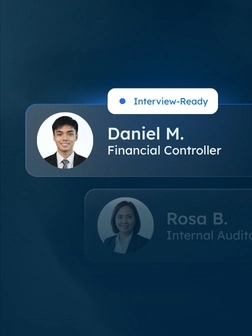
Beyond tax, senior accounting, bookkeeping, and audit support, the pool includes staff accountants, accounts payable and accounts receivable specialists, payroll specialists, financial planning and analysis (FP&A) analysts, and financial controllers. This lets firms add capacity at several levels, not only for preparation work.
No. Interview-ready professionals add capacity alongside your current staff. With preparation and execution work covered, your managers and senior accountants can return to review, coaching, and client relationships, which are the roles they were hired for.