
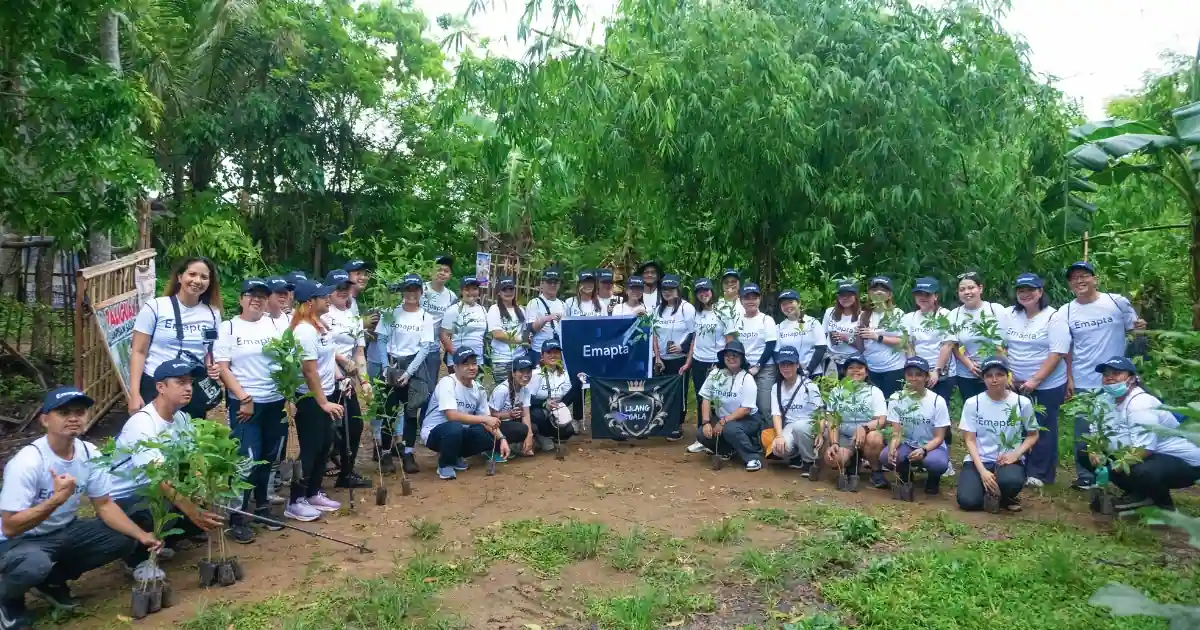
Beyond the Numbers: Reflecting on Our ESG Progress
Good intentions can inspire change, but it’s what follows that matters more. Building on our first report covering environmental, social, and governance (ESG) commitments, Emapta’s 2025 ESG Progress Update offers an honest look at the actions we’ve taken and the work that still lies ahead.
Beyond the figures and milestones, there’s more worth reflecting on. It’s about what we’ve learned from our efforts, why those lessons matter, and how they can help us make more thoughtful decisions moving forward.
How ESG Shapes Responsible Business Practices
Responsible business practices aren’t defined by corporate policies alone. What matters is how consistently a company demonstrates its values through its decisions, from how it treats its employees and manages resources to how it holds itself accountable for its operations.
ESG standards and principles help organizations examine these practices and identify where they can do better.
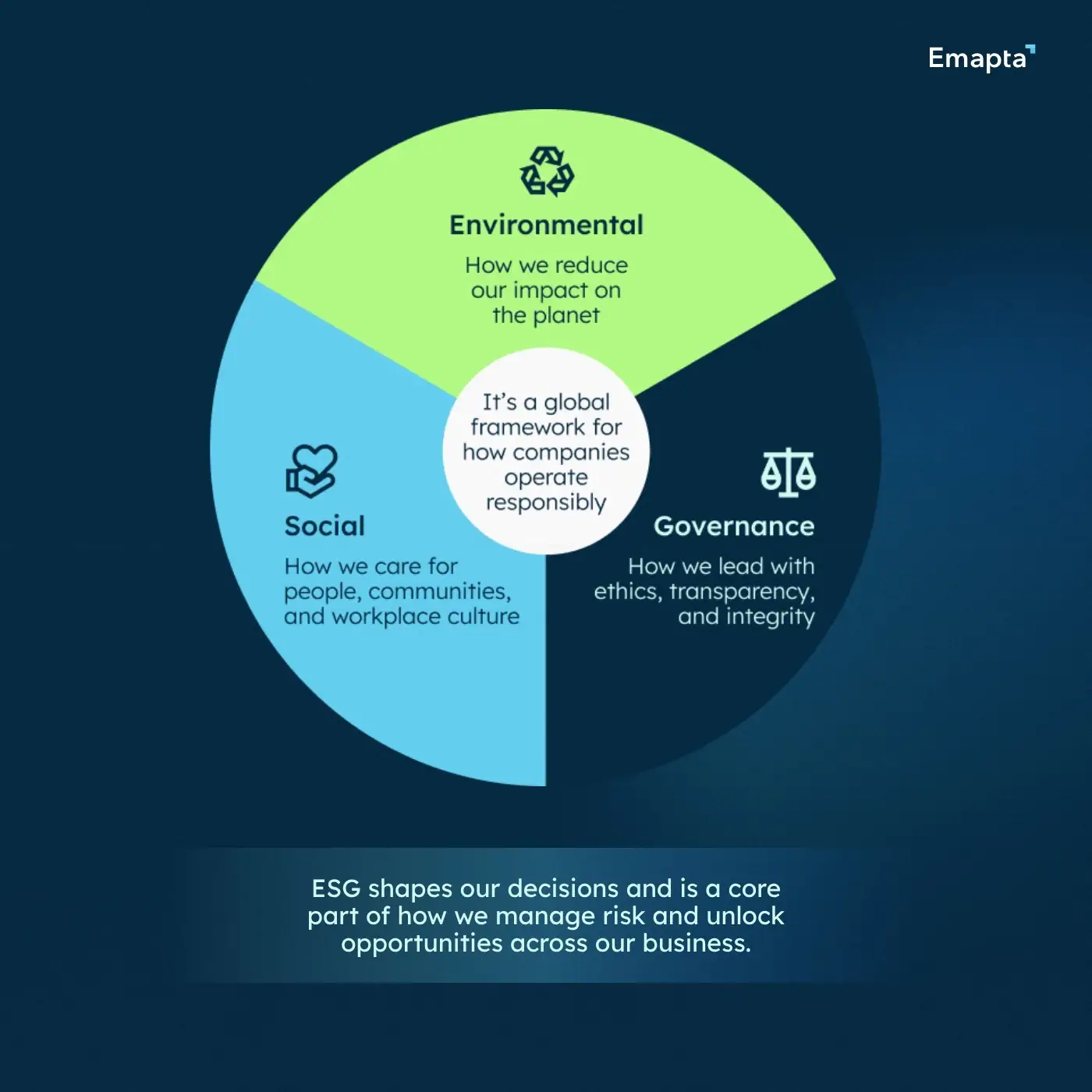
As a Certified B Corporation, Emapta recognizes the importance of balancing business performance with responsibility to people and the planet. Sharing our ESG progress is part of that commitment.
We believe our employees, clients, partners, and other stakeholders deserve to know how we’re following through, including where we still have room to improve. Being open about our progress also encourages us to reflect on our efforts and hold ourselves accountable for what comes next.
Go beyond the highlights with our full 2025 ESG Progress Update, covering our initiatives, achievements, and areas for improvement.

Building a Clearer Environmental Baseline
Understanding our environmental impact is essential to making informed decisions about how we can reduce it. As reflected in our latest progress update, our ESG efforts centered on improving the quality of our data and gaining a more complete view of our carbon footprint.
Some of the key developments include:
- Expanded data coverage – Extended our environmental data collection to include our operations in Colombia alongside the Philippines.
- Broader indirect emissions data – Added business travel to the activity data we collect, supporting future assessment of indirect emissions.
- Refined methodology – Continued refining our methods to support more consistent and reliable environmental reporting.
The importance of these efforts becomes clearer when we consider the broader picture. According to EcoVadis, Scope 3 emissions account for around 75% of an organization’s total carbon footprint on average, although their contribution varies across industries and individual companies.
Deepening Our Understanding Before Pursuing Change
When it comes to ESG, environmental priorities aren’t always as straightforward as reducing the largest number on an emissions report. A clearer picture can reveal previously unaccounted sources of emissions, making year-on-year comparisons more difficult even as reporting becomes more comprehensive.
Expanding our data collection is helping us develop that broader perspective. As our understanding grows, we can better prioritize our initiatives and direct our attention where it can make the greatest difference. After all, efforts to reduce environmental waste shouldn’t come at the cost of wasted resources.
Putting Our People at the Center of Progress
Our responsibility to our people goes beyond providing employment. As part of our ESG commitments, we continued investing in initiatives that support employee well-being and professional growth, while creating more opportunities for people to feel connected and valued at work.
A few highlights from our journey so far:
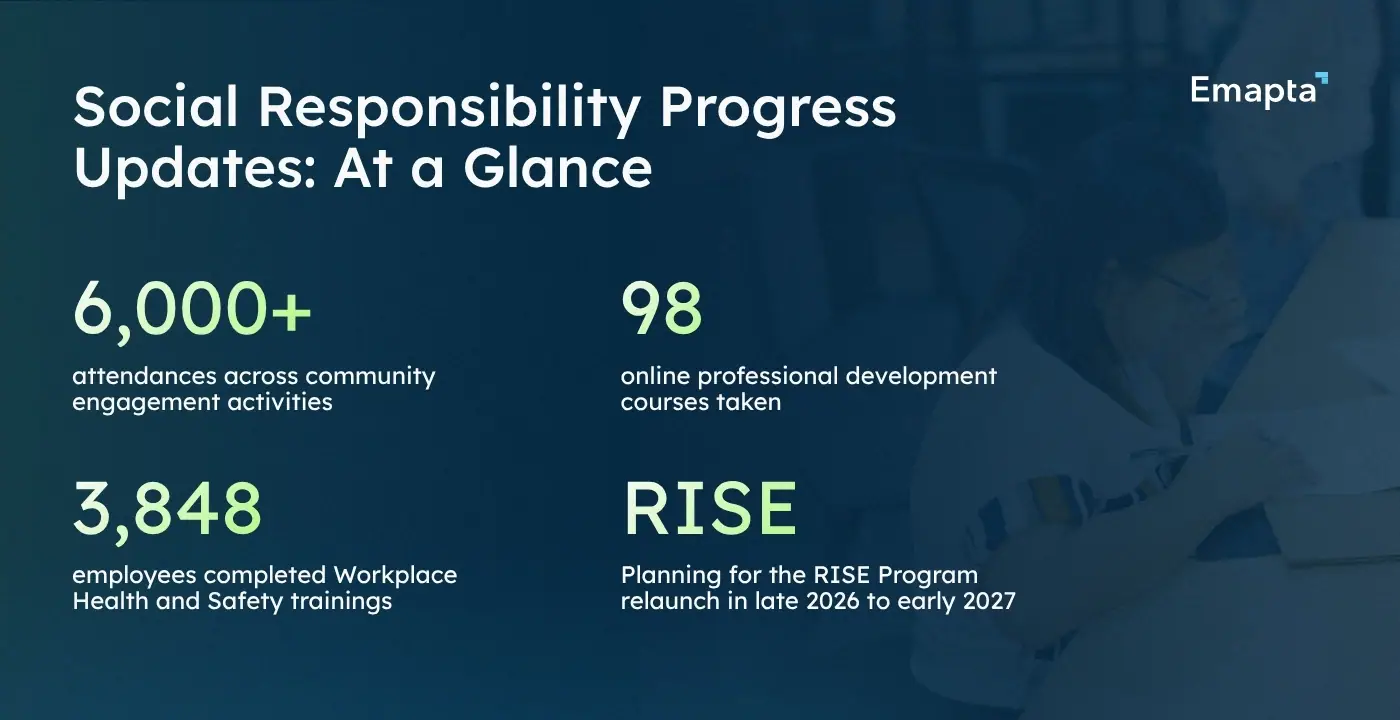
- Employee Engagement – Continued creating opportunities for employees to connect with one another and engage with their local communities.
- Learning and Development – Expanded opportunities for professional growth through Emapta Academy and other skills development programs.
- Workplace Health and Safety – Reinforced safe and healthy working practices through employee training and awareness initiatives.
- Diversity, Equity, and Inclusion – Continued broadening employment access for underrepresented groups, including preparations for the RISE relaunch.
Emapta’s RISE Program (Raising Individuals through Secure Employment) is among the initiatives we’re looking to reintroduce, with a relaunch planned between late 2026 and early 2027. The program reflects our continued focus on ESG, and we’re reviewing how it can better address barriers to employment and provide more meaningful support for participants.
Employee Support Can’t Be One-Dimensional
Employees have different needs throughout their careers, making it important to approach employee support holistically rather than treating initiatives as separate programs. Our 2025 Employee Engagement Survey found that 89% of respondents expressed satisfaction with the support they received, an encouraging sign of our ongoing efforts.
Ultimately, meaningful support comes from recognizing how different aspects of the employee experience contribute to people’s overall well-being and sense of belonging. For us, this remains an important measure of ESG progress.
Strengthening Responsible Governance
As Emapta continues to grow across global markets, maintaining consistent standards and oversight becomes increasingly important. This is especially true when it comes to protecting sensitive information, managing risks, and ensuring that our teams have clear processes to follow.
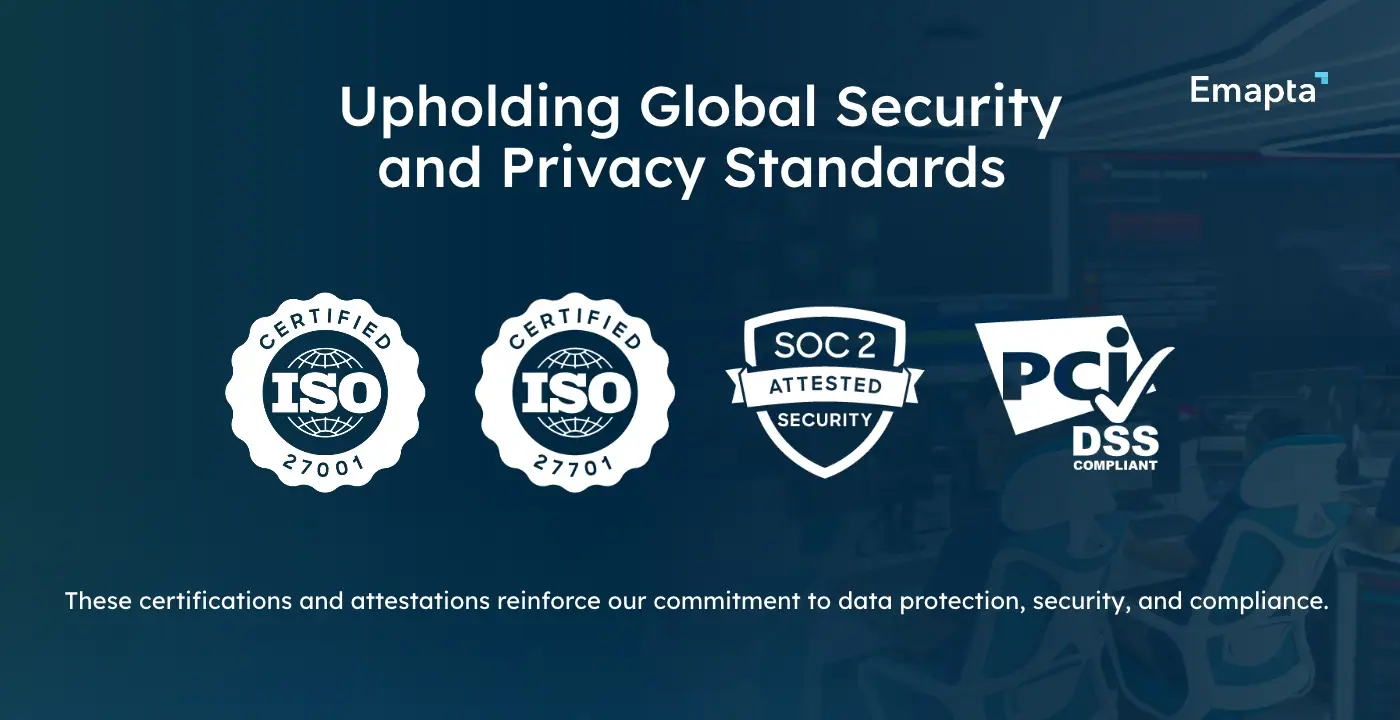
In 2025, we continued building on our existing governance practices as part of our broader ESG priorities, with a focus on strengthening internal processes and improving transparency and accountability across our operations. Some of the key developments include:
- Data Privacy and Cybersecurity – Maintained our internationally recognized certifications and attestations, with zero nonconformities identified during the 2025 certification audit cycle.
- Operational Documentation – Launched a centralized Operational Documentation Library to improve visibility, consistency, and oversight across departmental processes.
- Responsible Supply Chain Management – Began developing our Supplier Code of Conduct to establish clearer expectations for ethical and responsible business practices.
Making Accountability Part of Everyday Operations
Accountability becomes more meaningful when people have clear expectations, reliable processes, and the information they need to make responsible decisions. For us, the developments we’ve made in governance reinforce an important lesson: even well-established standards require ongoing attention to remain effective.
By continuing to refine how we document, monitor, and manage our operations, we can make accountability a more consistent part of how we work and contribute to our long-term ESG progress.
More Lessons From Our ESG Journey
Every year brings new experiences that challenge how we think about our responsibilities and the decisions we make. Our ESG journey in 2025 was no exception, giving us several lessons worth sharing.
1. Progress Doesn’t Always Follow the Original Plan
Some initiatives take longer than expected or require adjustments along the way. What’s important is recognizing when an approach needs to change rather than forcing the original plan.
2. Not Every Initiative Can Be Prioritized at Once
Implementing ESG practices involves balancing many priorities, but resources and capacity aren’t unlimited. Making meaningful progress also means deciding where to focus our efforts first.
3. Good Intentions Need Clear Ownership
Commitments are easier to act on when responsibilities are clearly defined and everyone understands their role in fulfilling them.
4. Measuring Activity Isn’t the Same as Measuring Impact
Participation numbers and completed initiatives demonstrate effort, but understanding their actual outcomes requires looking beyond those initial measures.
5. Small Improvements Can Make a Meaningful Difference
Not every improvement requires a major initiative or organizational change. Sometimes, refining an existing process or addressing a relatively small gap can contribute to meaningful progress over time.
Turning ESG Priorities Into Long-Term Progress
Creating lasting impact requires us to look beyond immediate achievements and consider how today’s efforts can support our long-term goals. As we move into 2026, our priorities include refining our environmental measurement methods, developing clearer ways to evaluate social impact, and strengthening how ESG considerations are incorporated into business decisions.
We recognize that there is still much to learn and more work to be done. By remaining open about our challenges, learning from our experiences, and making continuous progress, we aim to make our ESG efforts more meaningful and sustainable in the years ahead.